

We nurture children who can navigate a changing world,
guided by their own questions.
We design learning experiences that honor the balance of heart, body, and mind in every child — creating a safe and open space where they are free to think, explore, and express.
Rather than filling children with knowledge, we help them develop the habit of asking “Why?” for themselves. That is the foundation of learning at YES.
The 3 C’s at YES
The three C’s are at the heart of everything we do at YES — the philosophy that runs beneath every lesson, every conversation, and every moment of the school day.
-
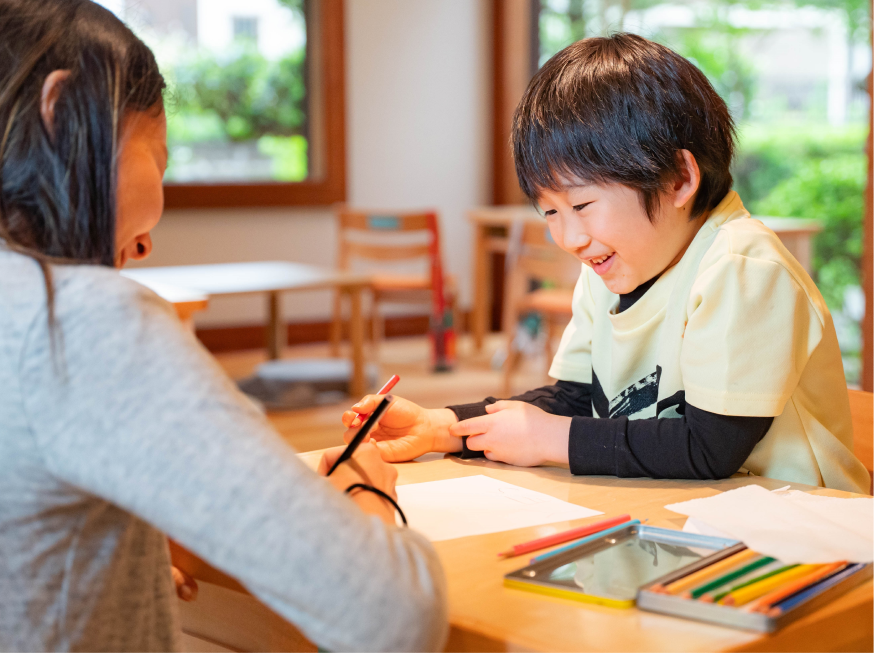
Consideration
Respecting different perspectives and backgrounds — learning and living alongside others.
-
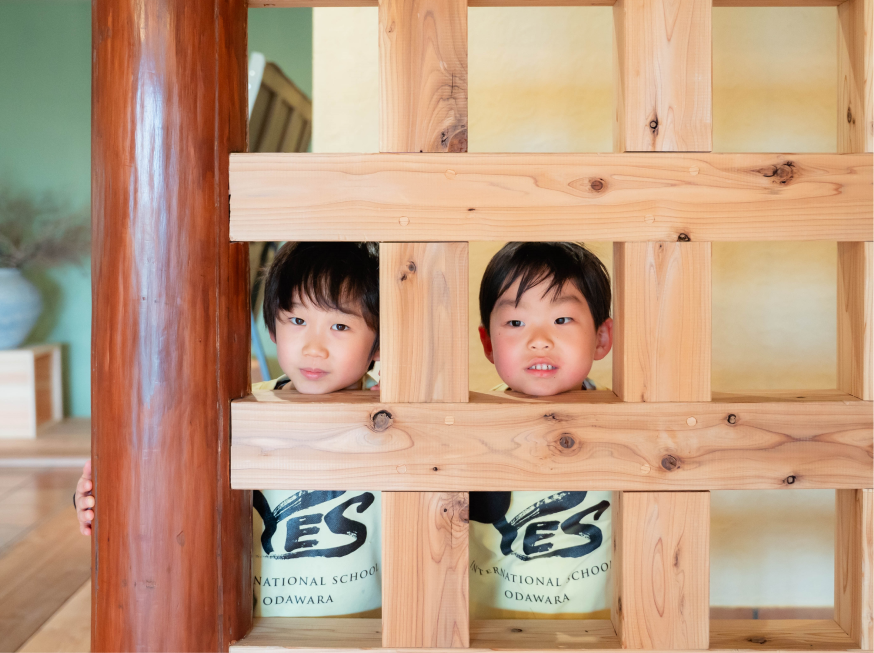
Critical Thinking
Not accepting given answers — asking your own questions and thinking them all the way through.
-
Creativity
Turning ideas into reality — and using them to make a difference in the world.
The YES Method: Three Approaches to Deeper Learning
01.Trilingual Education
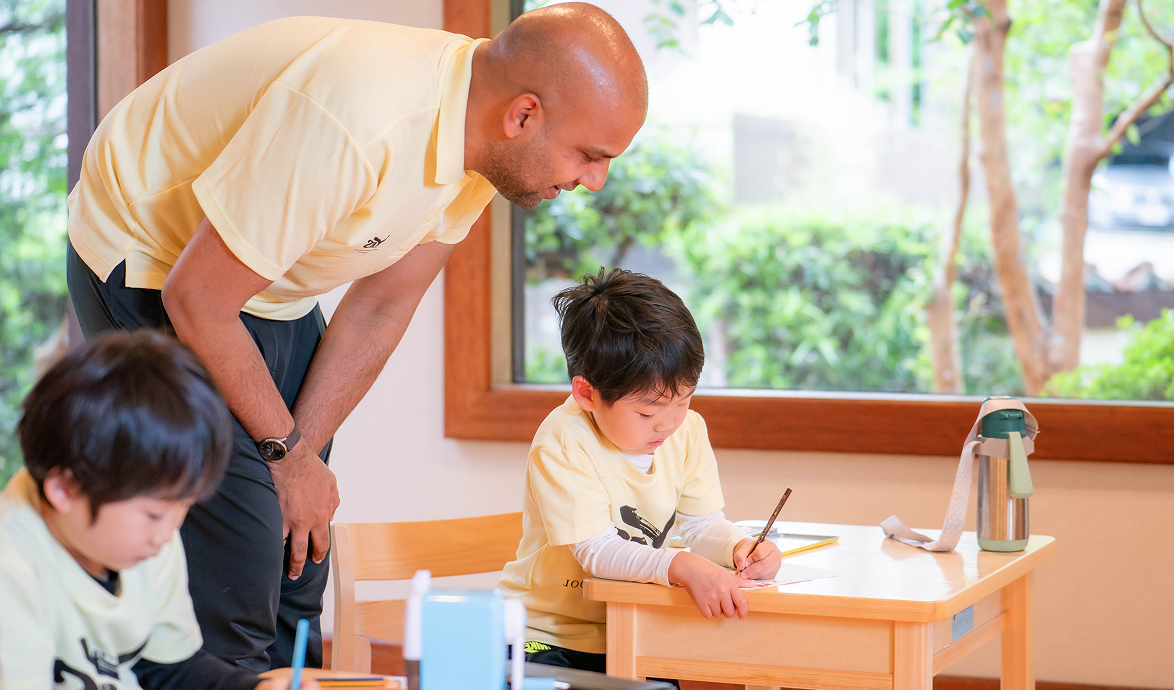
Learn language. Shape thinking. Move the world.
At YES, trilingual education is not about learning English, Japanese, and programming simply to speak or write them.
It is about understanding the distinct mode of thinking that each language offers — and developing the ability to see the world from multiple perspectives.
Japanese cultivates the ability to read between the lines, to put feelings into words with depth, and to sit with ambiguity while continuing to think. English develops the ability to form opinions, communicate them clearly, and engage with people whose experiences differ from your own. Programming teaches children to break down complex questions, organize conditions, and test hypotheses — building the kind of thinking that prepares them not just to use AI, but to direct it.
Moving between three languages means gaining three distinct ways of seeing the world. The differences between languages nurture respect for human difference (Consideration); moving between structures of thought deepens critical thinking; and having more ways to express oneself expands the space for creativity.
02.Technology That Opens the Mind
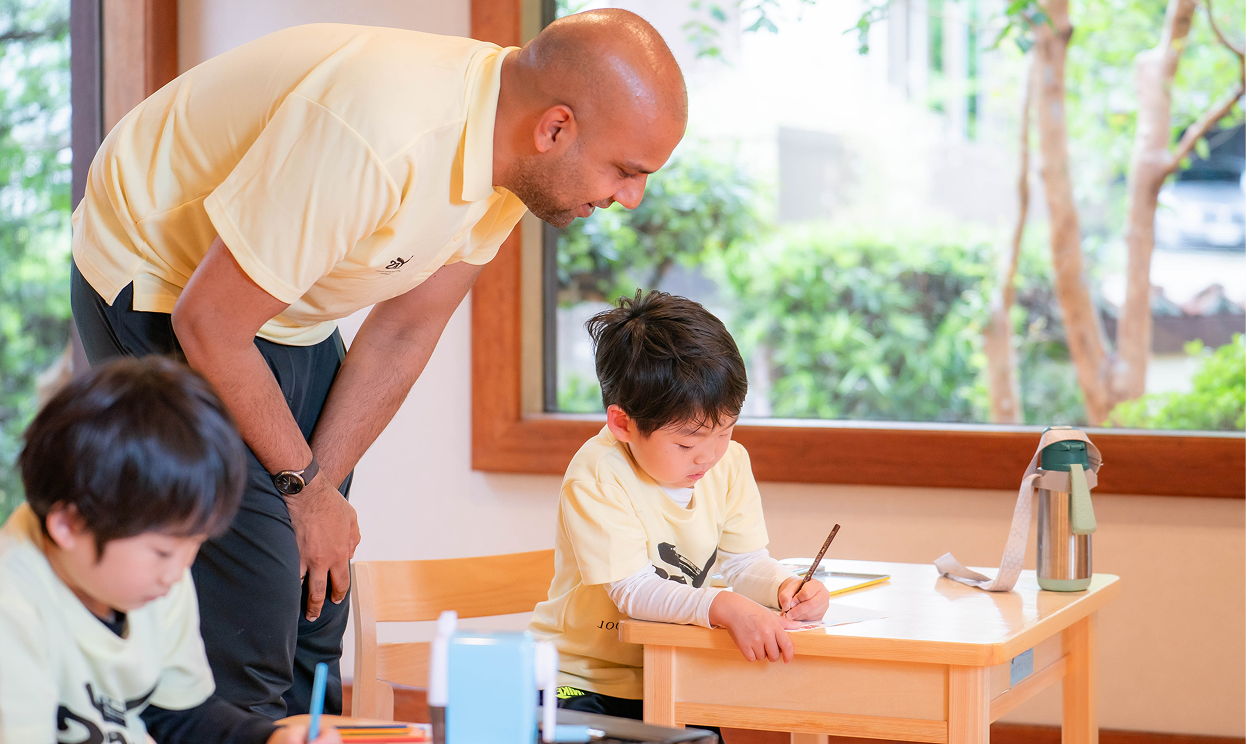
In an age when AI can generate countless answers, the most valuable human skill is knowing how to ask the right questions.
At YES, we don’t teach children to be used by technology — we teach them to use it with intention, and to stand on the side that provides the questions.
Building the ability to shape your own answers through trial and error: that is the skill this generation truly needs.
03.A Real English Environment
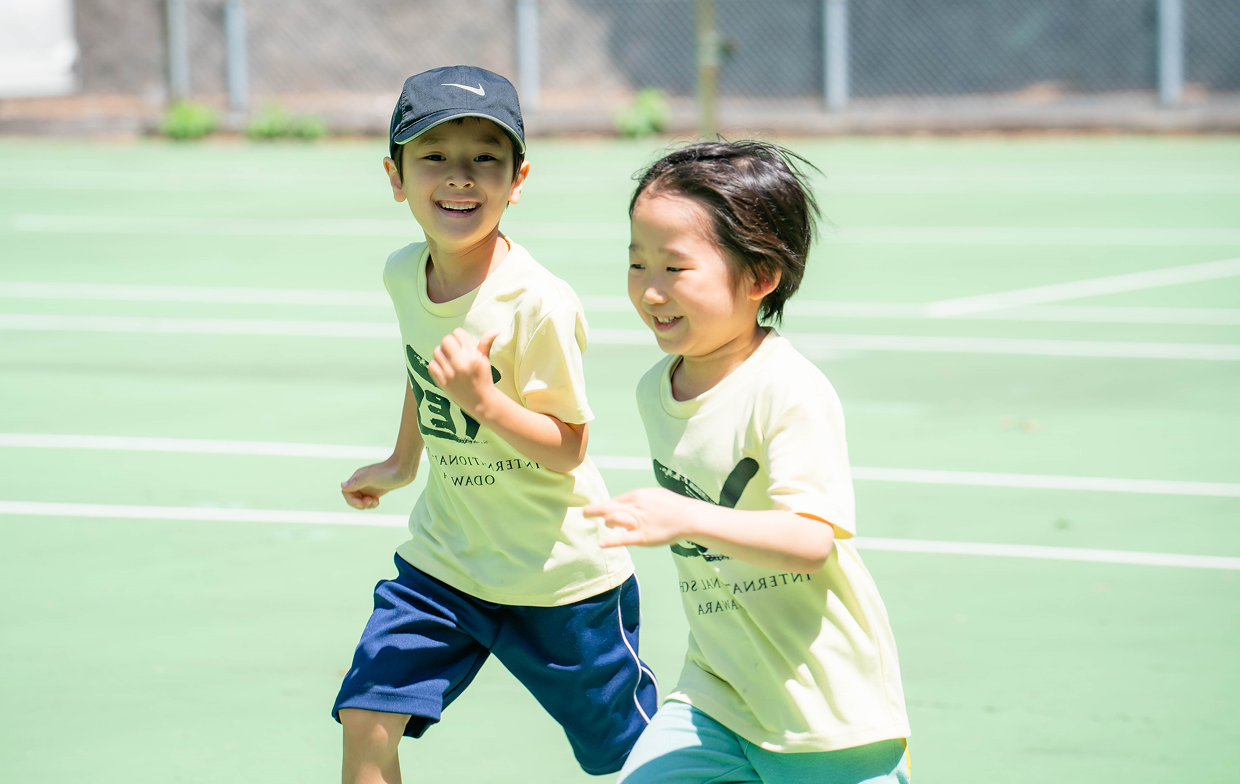
Not learning English. Living in English.
At YES, English is not a subject for tests or a skill to be perfected.
It is a living language — one used to connect with people and with the wider world. English is not reserved for special lessons.
It exists naturally in the daily life of the school.
Children share ideas with teachers and friends, encounter different opinions in conversation, struggle to express themselves, and try again. Each of these moments builds the ability to think in English and form real relationships through it.
What we value is not perfect grammar, but the confidence to hold your own thoughts and truly engage with another person. Words don’t need to be flawless. What matters is the willingness to be heard, and the openness to listen.
In a real English environment, children learn — not as an abstract concept, but through lived experience — that there are cultures and values different from their own. This is time spent developing a feeling for how to live alongside diversity.
Our Three Pillars: Building the Foundation for Global Engagement The YES Method is built upon three core pillars that work in harmony.
By integrating these approaches, we empower children to ask meaningful questions, think critically for themselves, and develop the strength to engage actively with the global community throughout their lives.
The Environment That Supports Learning
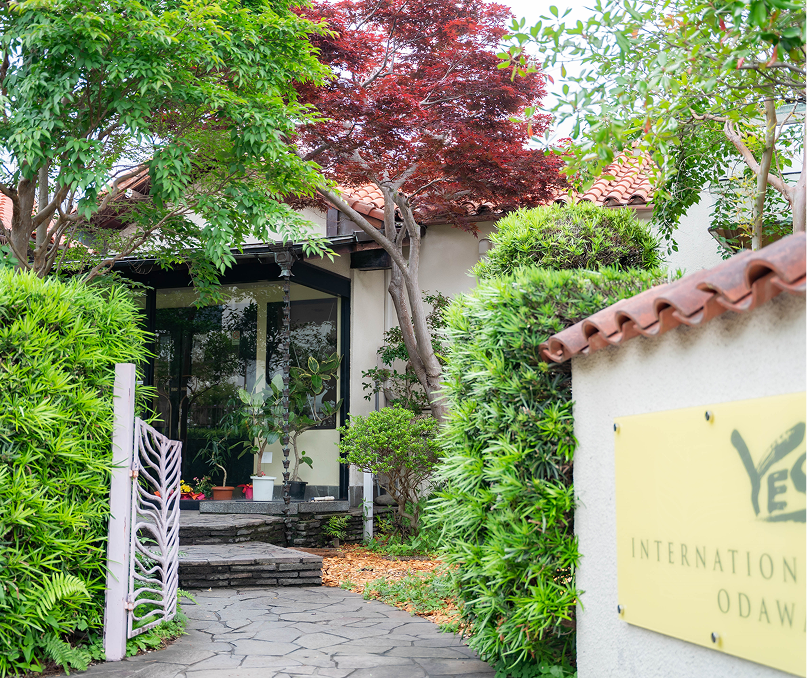
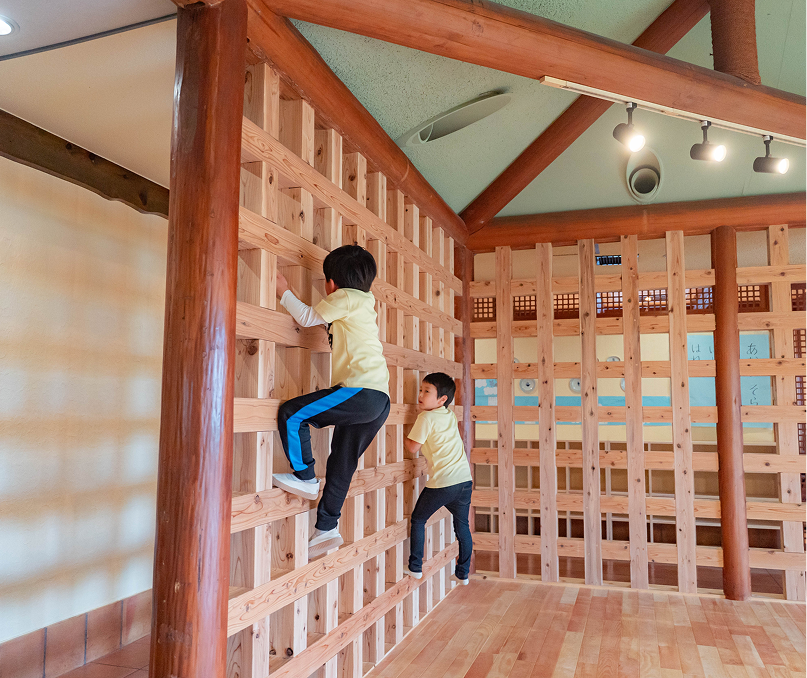
A Campus Built with Wood
Where the body feels safe, the mind opens freely.
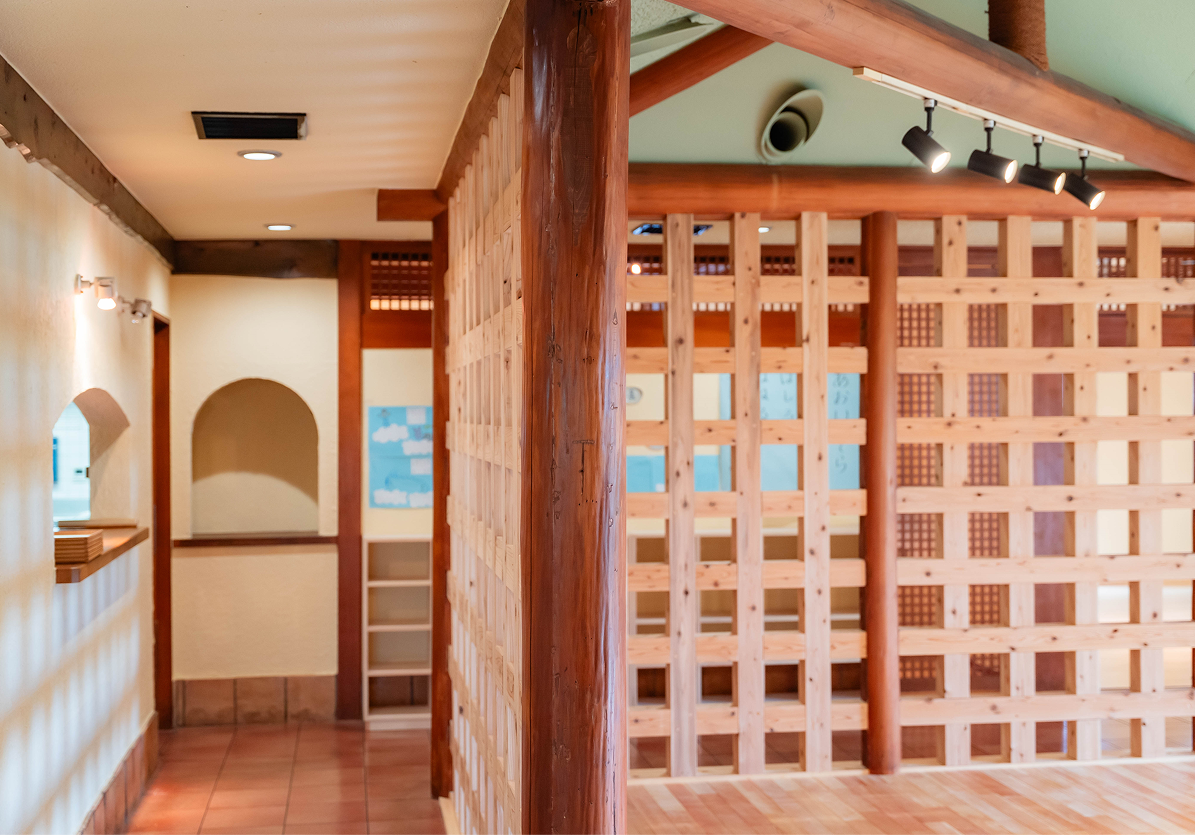
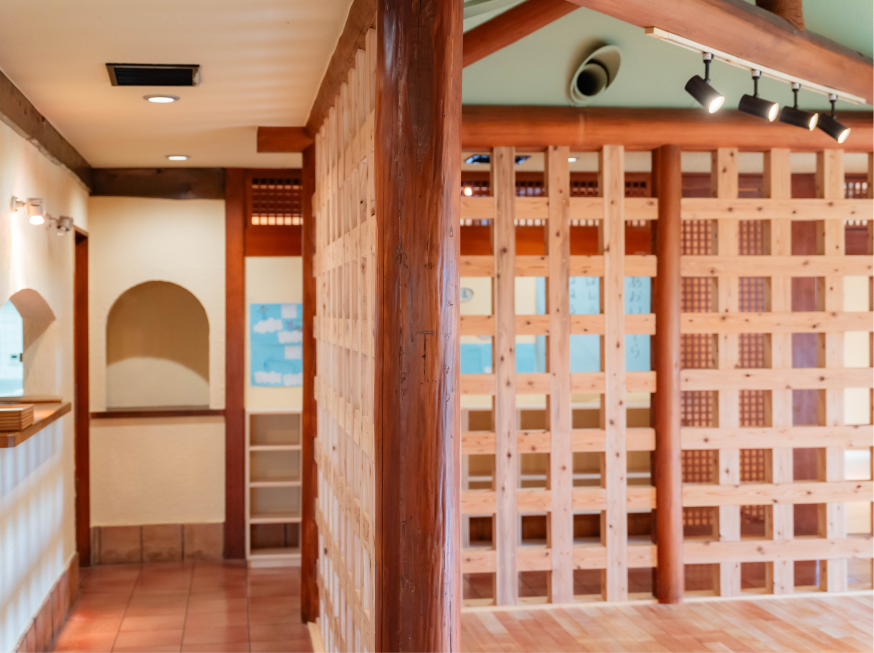
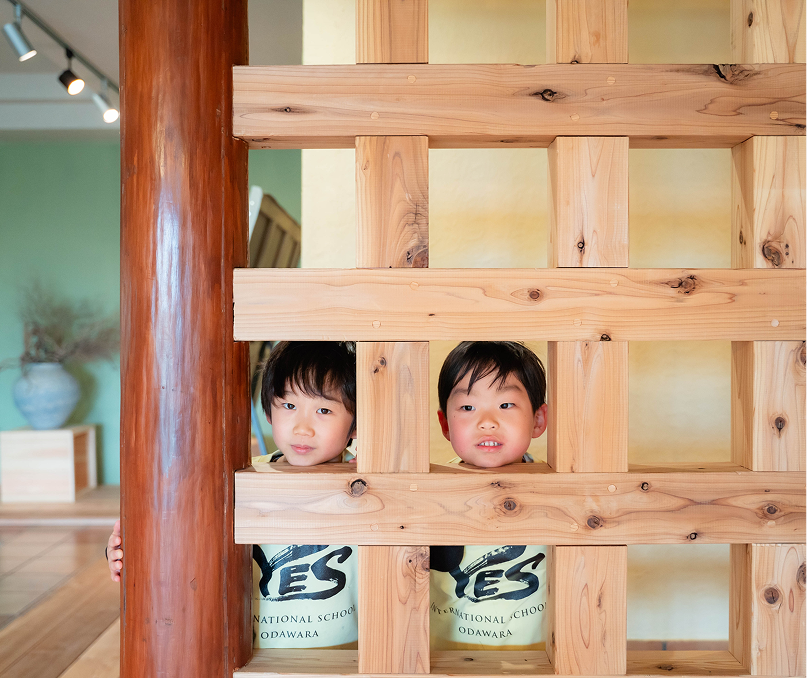
YES’s campus is built around the warmth of natural wood.
Soft light, spaces that breathe, quiet corners for focused thought — all of it exists so that children can sense, without even thinking about it, that this is a place where they are safe to be themselves. When the body is at ease, the mind opens naturally.
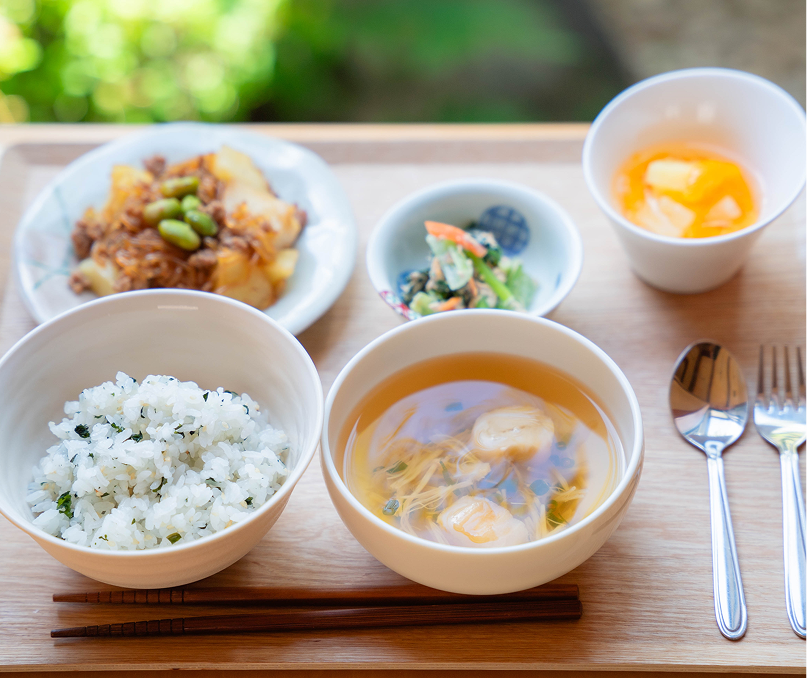
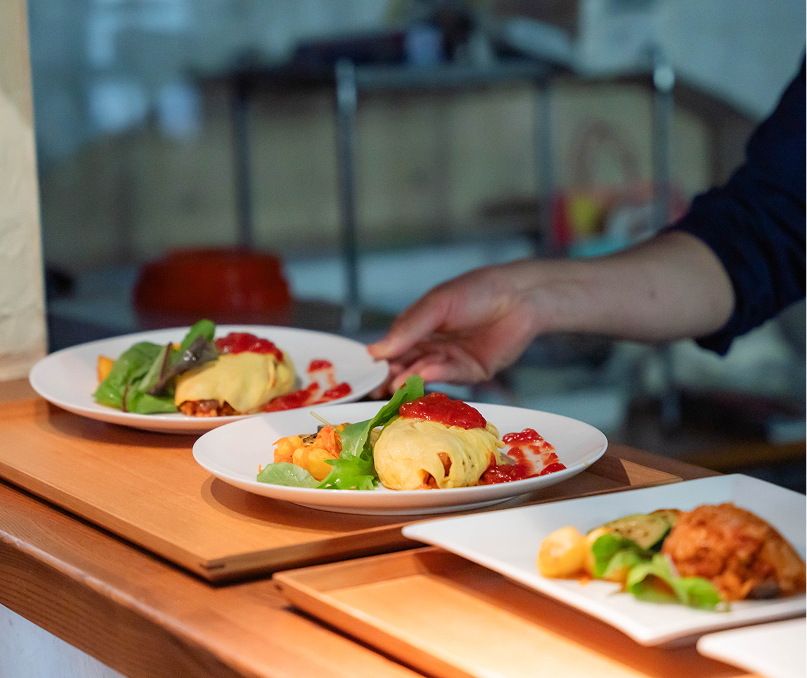
Food That Nourishes
Because eating is living.
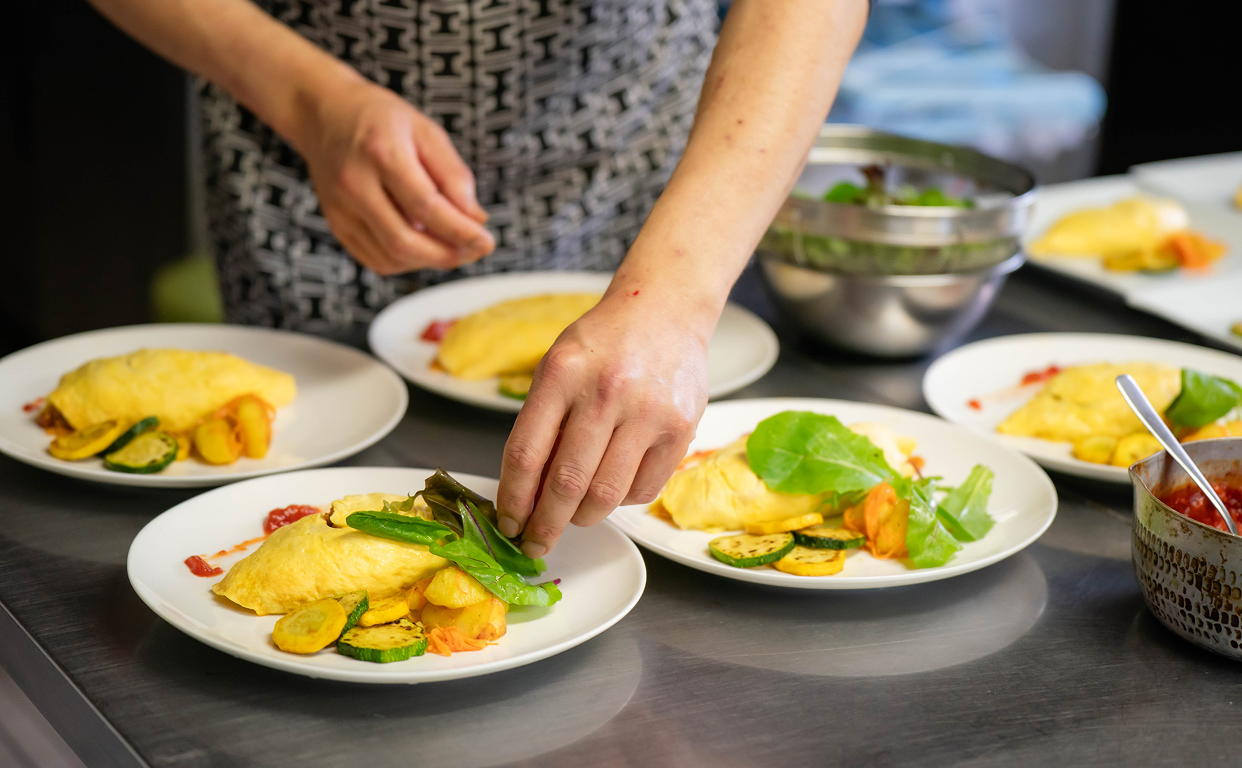
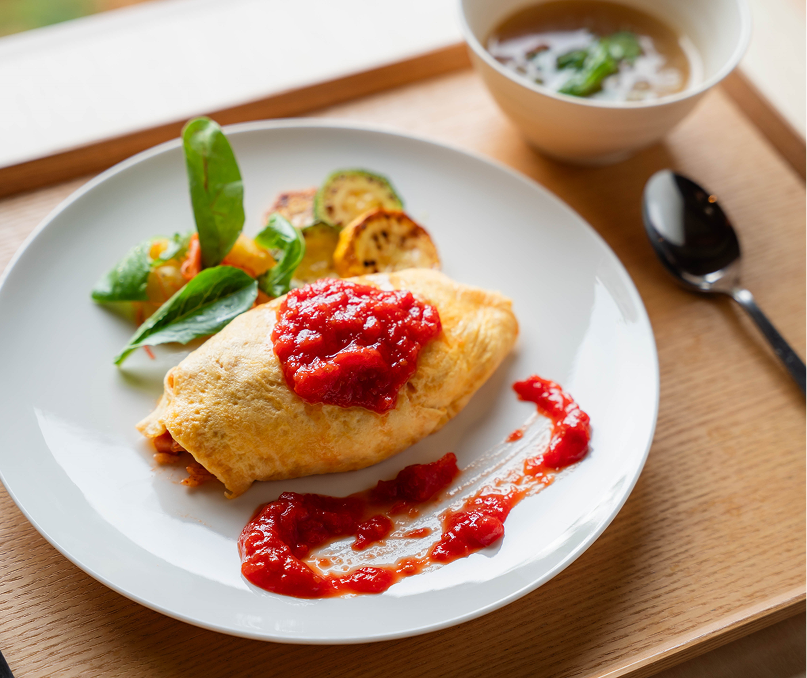
The food served at YES is a meaningful part of each child’s learning and growth.
Every element — ingredients, seasonings, even the water — is chosen with care.
The gut and brain are deeply connected: a healthy gut supports focus, immunity, and emotional balance.
Free from artificial additives and rooted in Japan’s fermentation traditions, each meal is built around dietary fiber and quality protein.
Every bite supports tomorrow’s learning and nurtures long-term health.
Learning at YES does not live
within special programs alone.
Using language and thinking,
connecting with others,
eating, and simply being present—
all of it feeds the habit of questioning
and the capacity to keep thinking.